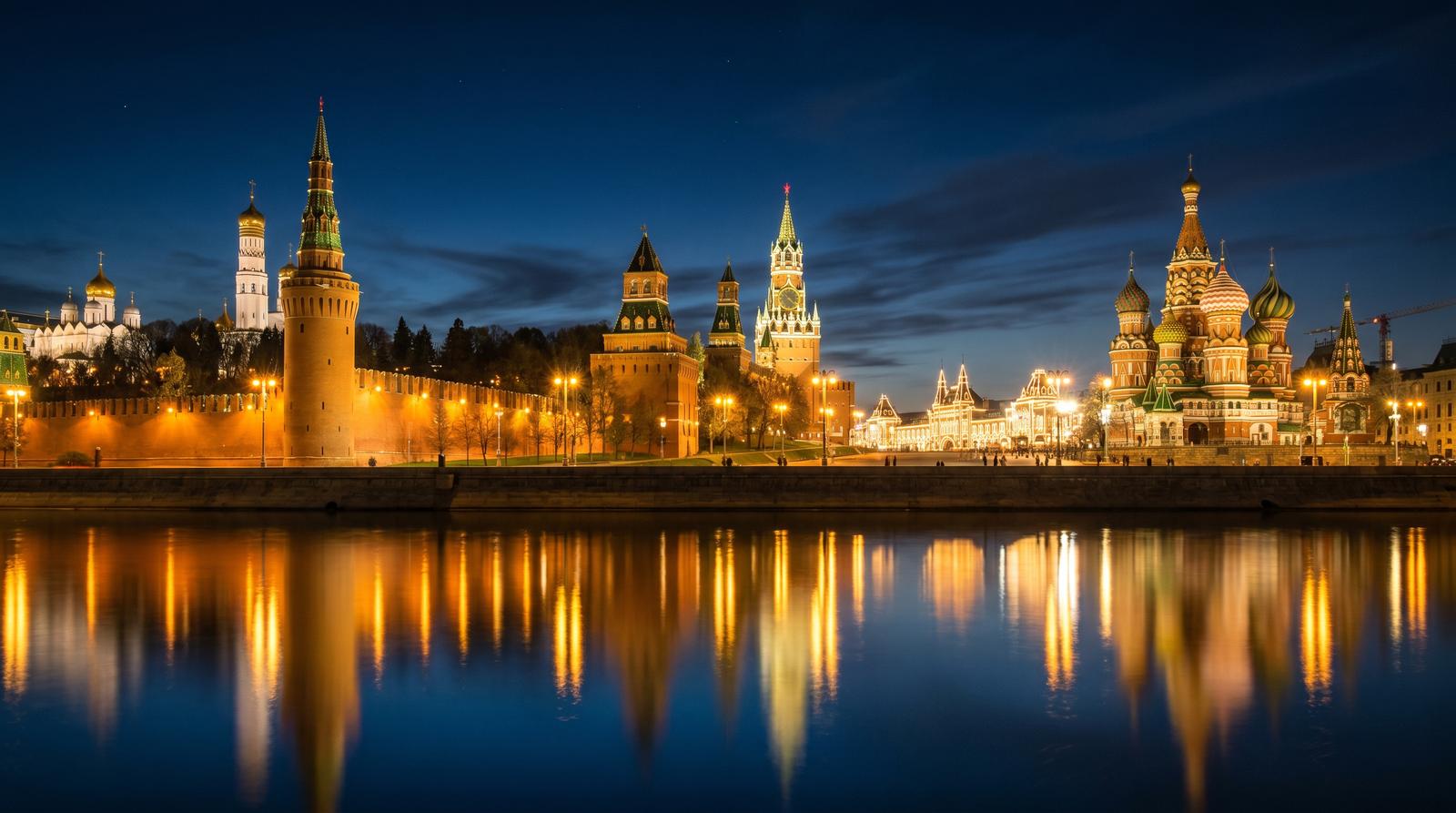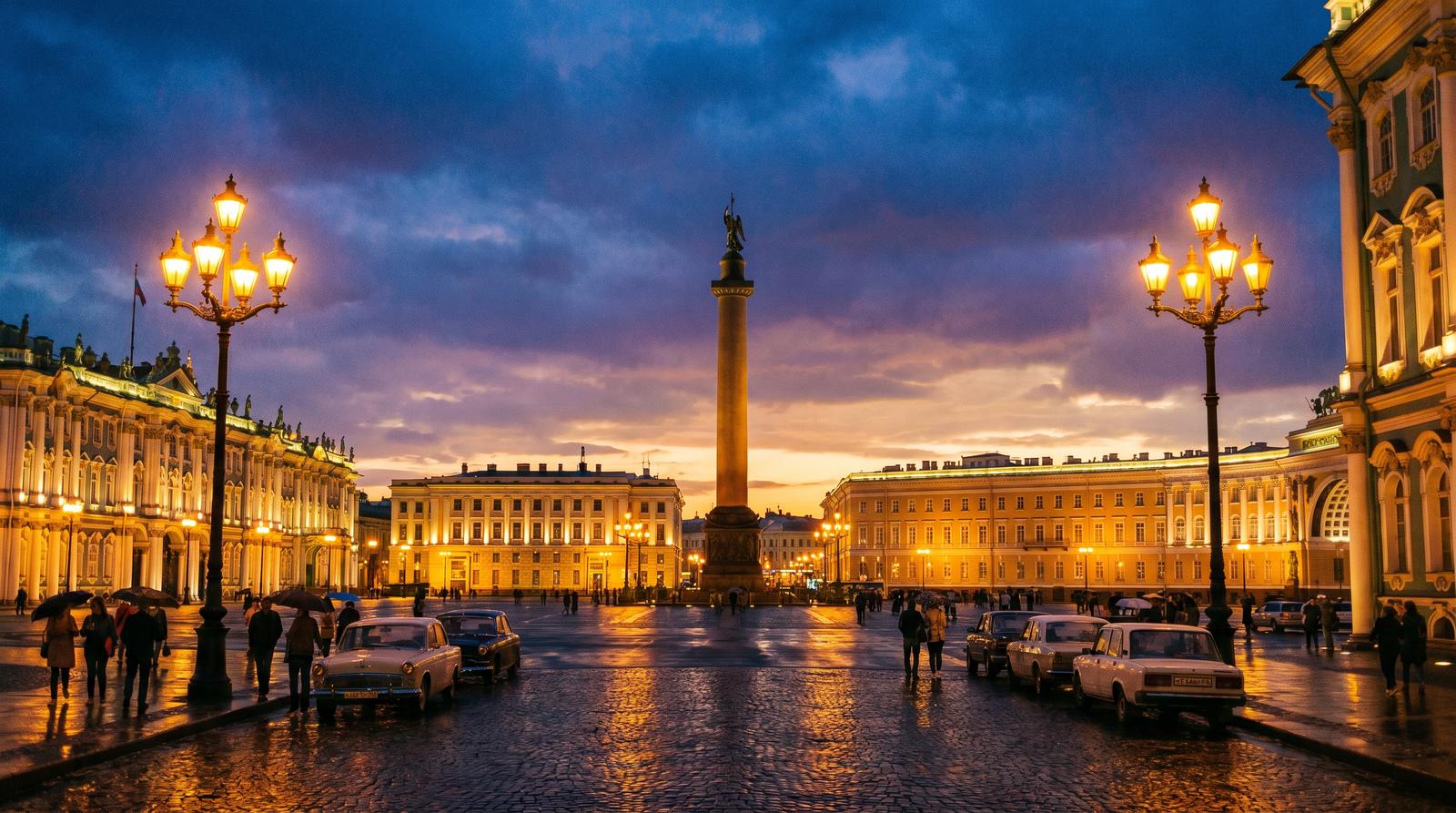
Summer (June–August): Peak Season
Summer is the most popular time to visit Russia. Moscow and St. Petersburg enjoy long days with up to 19 hours of daylight. The famous White Nights in St. Petersburg (late May to mid-July) are a must-see, with the city bathed in a magical twilight glow.
Average temperatures: 18–25°C (64–77°F) in Moscow, slightly cooler in St. Petersburg.
Visa tip: Summer is the busiest season at consulates. Order your invitation and book your consulate appointment at least 5–6 weeks before travel.
Autumn (September–November): Shoulder Season
Early autumn (September) is excellent for visiting — fewer tourists, pleasant temperatures (10–15°C), and beautiful fall foliage. October brings cooler weather, and by November, the first snow may appear.
Visa tip: Consulates are less busy in autumn. Processing times may be faster.
Winter (December–February): Magical but Cold
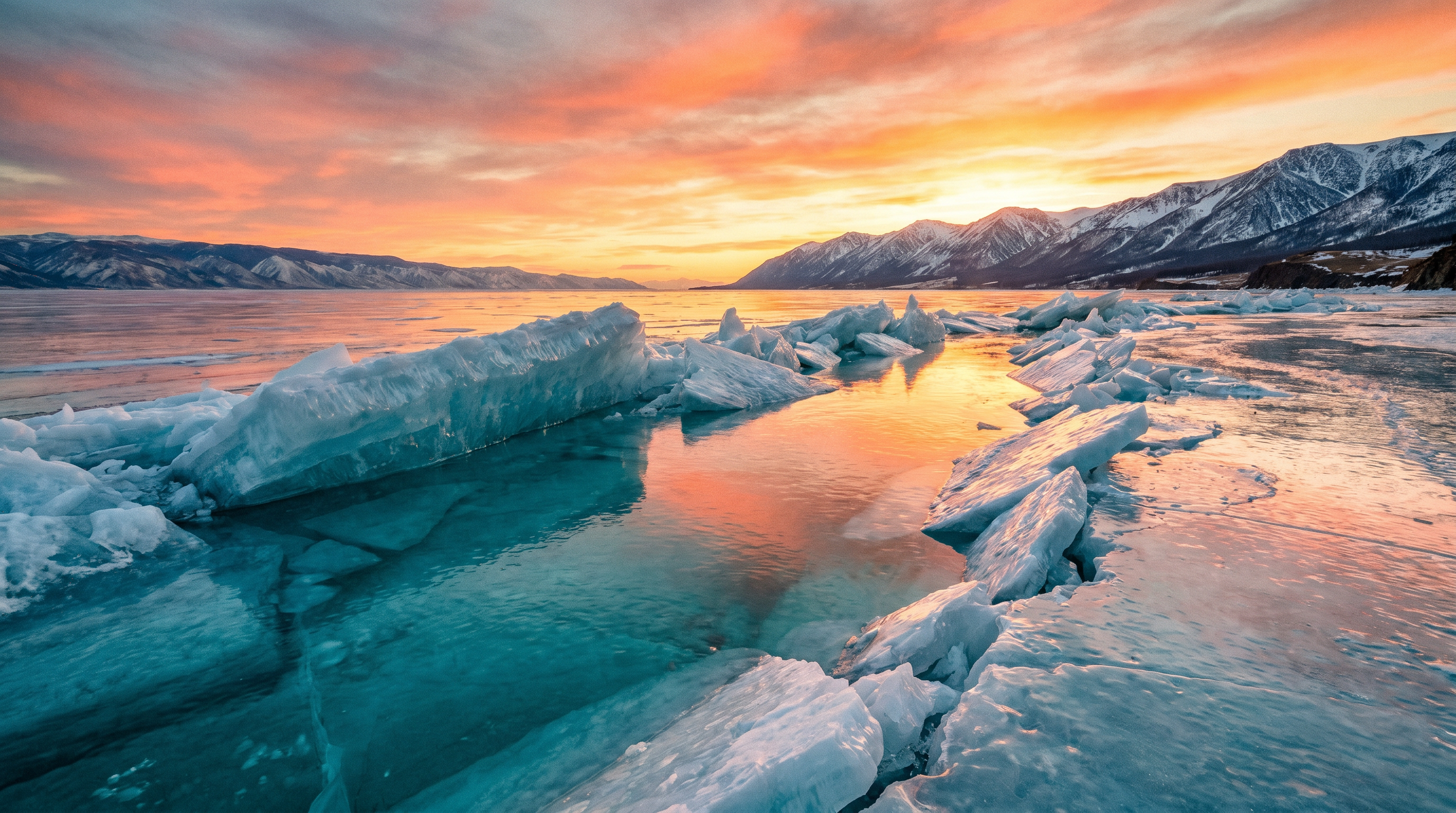
Russian winter is legendary. Temperatures can drop to -20°C (-4°F) or lower, but the snow-covered cities are breathtakingly beautiful. Christmas and New Year celebrations (December 31 – January 7) are spectacular, and you can experience traditional Russian winter activities like troika rides and ice skating.
Visa tip: Many consulates close for extended holidays in late December/early January. Plan accordingly.
Spring (March–May): Awakening
Spring comes late to Russia. March is still cold and snowy, but by May the parks are green and the weather is pleasant. Victory Day (May 9) features impressive military parades in Moscow.
Visa tip: Spring is a great time to apply — moderate demand at consulates and pleasant weather for your trip.
Our Recommendation
For first-time visitors, we recommend late May to early September for the best weather and longest days. For a unique experience, late December to January offers magical Russian winter. Regardless of when you go, order your visa invitation early and give yourself plenty of time for the application process.